HDMI 2.1 Certification and Testing Guide: Requirements, Process and Preparation
2026-11-22 · Interface
# HDMI 2.1 Certification: 7 Essential Checks Before Compliance TestingHDMI 2.1 supports advanced video transmission capabilities, including high resolutions and refresh rates. Manufacturers developing HDMI 2.1 products should review the applicable licensing requirements, supported features, compliance testing scope, and certification procedures before submitting their products for testing.
DT&C is an HDMI Authorized Test Center (ATC), supporting manufacturers with HDMI compliance testing and certification preparation.
1. Identify the HDMI Device Type
The first step is to determine whether the product is classified as an HDMI Source, Sink, or Repeater.
- Source: PCs, set-top boxes, and media players
- Sink: TVs, monitors, and display devices
- Repeater: AV receivers and signal distribution equipment
The applicable test requirements depend on the device category.
2. Verify Supported HDMI 2.1 Features
Not every HDMI 2.1 product is required to implement all optional HDMI 2.1 features.
Manufacturers should identify the actual supported functions, including FRL, TMDS, VRR, ALLM, and eARC where applicable.
The maximum supported resolution and refresh rate should also be documented.

3. Review Signal Integrity and Electrical Performance
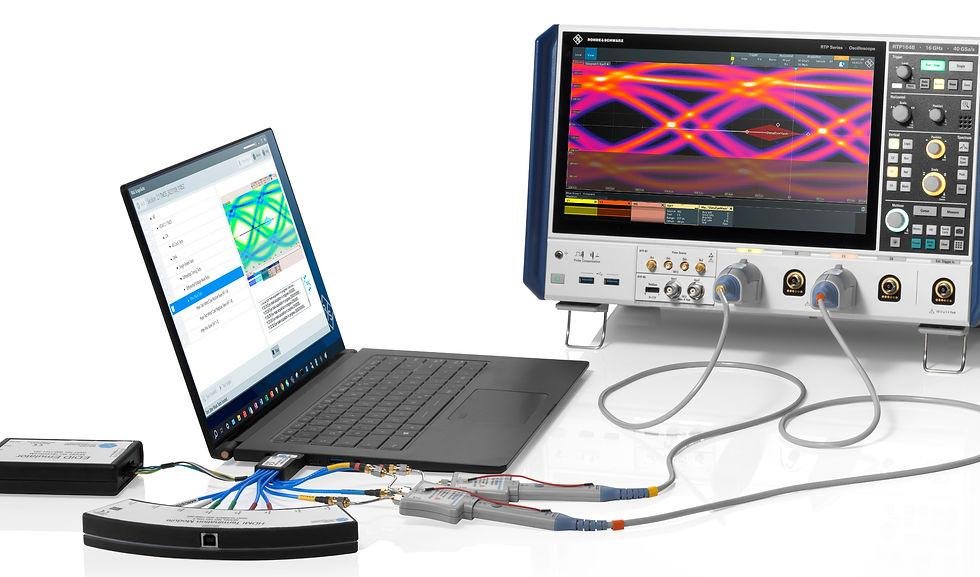
High-speed HDMI transmission requires careful consideration of signal integrity.
Important areas include:
- Electrical characteristics of HDMI transmitters and receivers
- Signal quality during high-speed data transmission
- PCB layout and connector design
- Cable characteristics and test configurations
Early design verification can help reduce compliance testing issues.

4. Confirm HDMI Port Configuration
Products with multiple HDMI ports should be reviewed to determine whether the ports share the same electrical design and supported functions.
Different port implementations may require additional evaluation.
The final testing scope depends on the applicable HDMI requirements and ATC assessment.
5. Evaluate Protocol Compliance and Interoperability
HDMI compliance testing involves more than confirming that video is displayed correctly.
Depending on the implemented functions, evaluation may include EDID, HPD, DDC, link behavior, and related protocol requirements.
Interoperability should be considered during product development, particularly for devices intended to connect with a wide range of HDMI equipment.
6. Prepare HDMI Adopter Registration and Documentation
Manufacturers should confirm the applicable HDMI Adopter registration and licensing requirements before certification.
Depending on the product and certification procedure, documents such as the Capability Declaration Form (CDF), PCP, and ATC Agreement may be required.
Products implementing HDCP should also review the separate HDCP licensing requirements.
7. Conduct a Pre-Compliance Review
Before submitting a product for official testing, manufacturers should prepare:
- Product model and manufacturer information
- HDMI version and supported feature list
- Maximum resolution and refresh rate
- Number and configuration of HDMI ports
- Test samples and operating conditions
- Applicable technical documentation
A pre-compliance review helps determine the appropriate testing scope and expected schedule.
HDMI Compliance Testing Support by DT&C
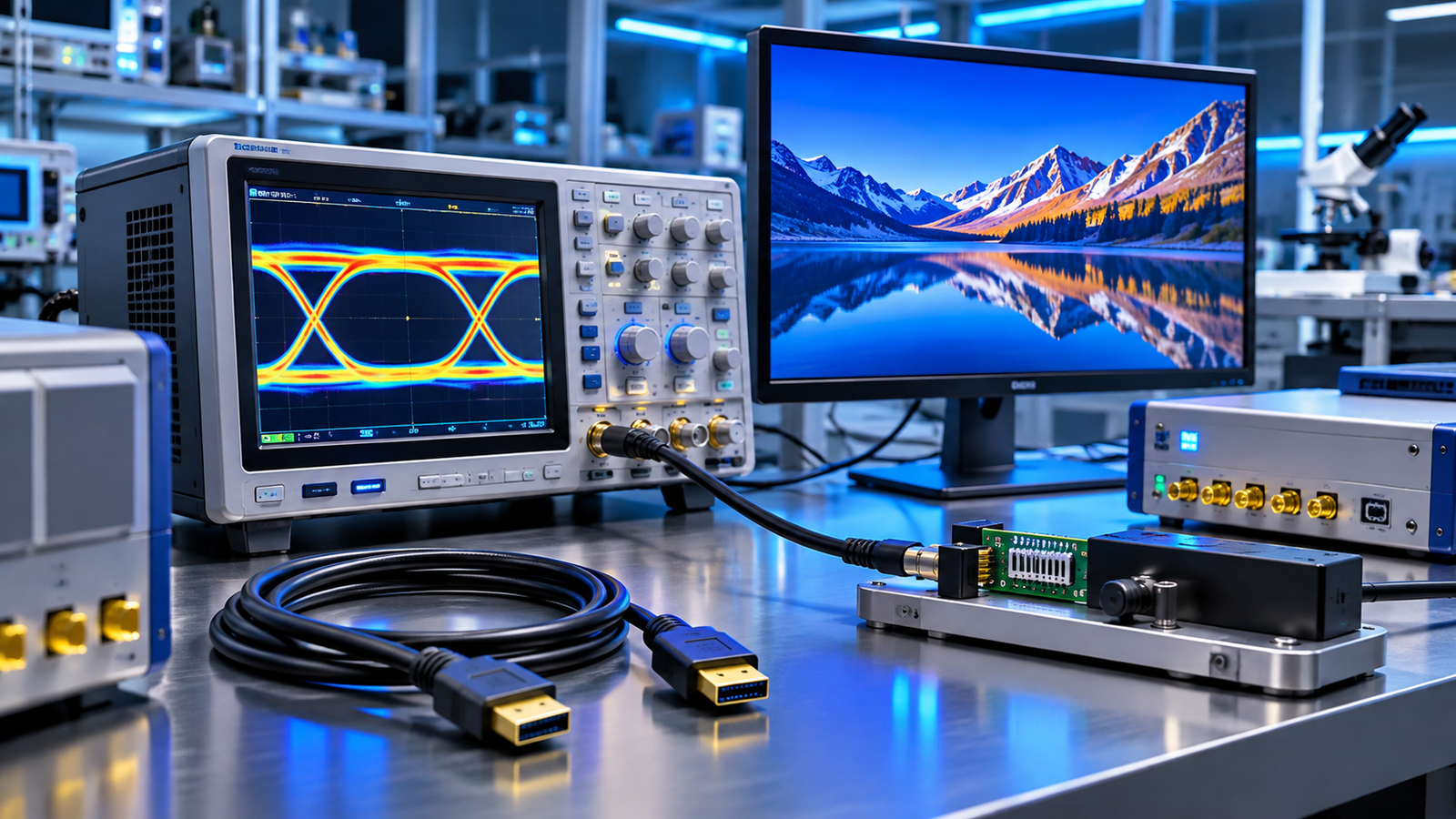
As an HDMI Authorized Test Center, DT&C supports manufacturers with HDMI compliance testing and certification preparation.
For HDMI 2.1 certification inquiries, please provide your product specifications and supported HDMI functions. Our team can review the applicable testing scope and guide you through the next steps.