Bluetooth SIG Qualification Guide | Testing & Product Listing
2026-11-22 · BT
# Bluetooth SIG Qualification Guide: Requirements, Testing and Product ListingBluetooth technology is widely used in smartphones, wireless earbuds, smartwatches, medical devices, industrial IoT equipment, and connected automotive products.
Before launching a Bluetooth-enabled product, manufacturers need to understand the Bluetooth SIG Qualification process, applicable testing requirements, and product listing obligations.
This guide explains the key steps of Bluetooth qualification, how existing qualified designs may be reused, and how Bluetooth SIG requirements differ from regulatory certifications such as KC, FCC, CE, and ISED.
1. What Is Bluetooth SIG Qualification?
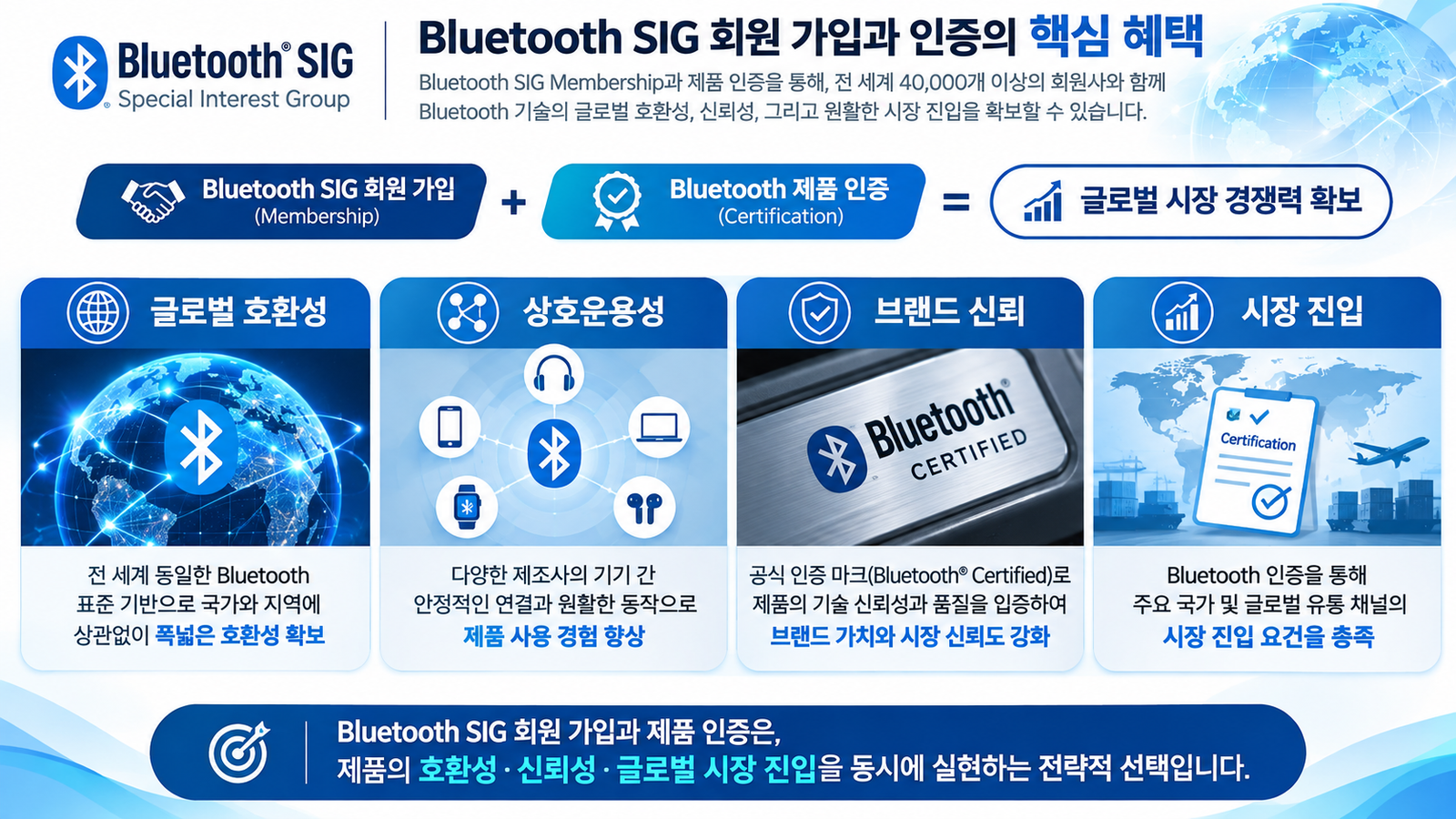
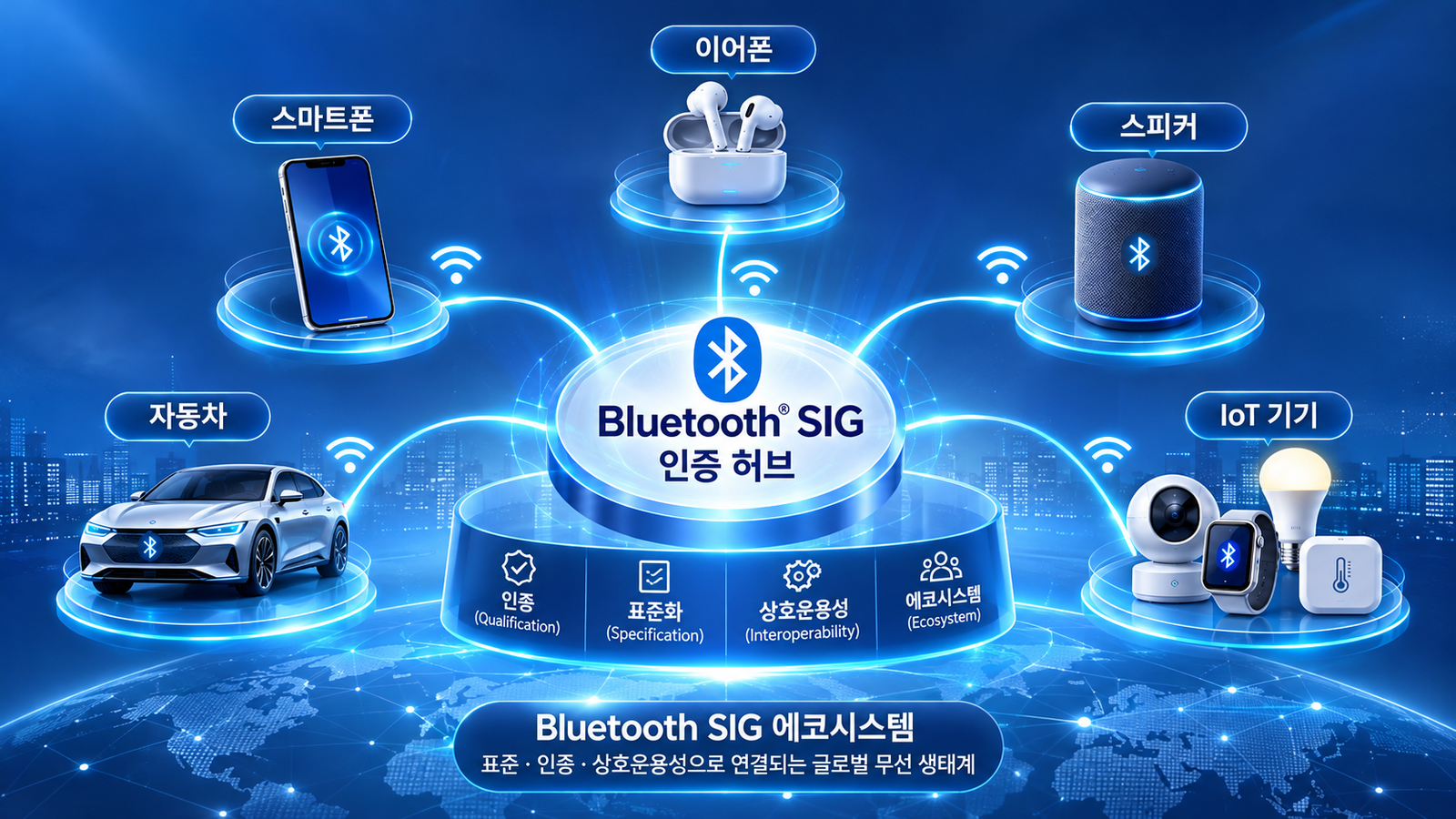
The Bluetooth Special Interest Group (Bluetooth SIG) develops and maintains Bluetooth specifications and manages the qualification process for products incorporating Bluetooth technology.
Bluetooth Qualification is a formal process through which manufacturers demonstrate compliance with applicable Bluetooth specifications and complete the required product qualification and listing procedures.
It is separate from national or regional regulatory approvals.
For example, Bluetooth SIG Qualification does not replace KC certification in Korea, FCC authorization in the United States, or CE compliance requirements in the European Union.
2. Which Products Require Bluetooth Qualification?
Bluetooth Qualification requirements are relevant to products incorporating Bluetooth technology, including:
- Bluetooth Classic (BR/EDR) devices
- Bluetooth Low Energy (LE) devices
- Wireless earbuds, headphones, and speakers
- Smartphones, tablets, and smartwatches
- Medical and healthcare devices
- Industrial IoT sensors and gateways
- Automotive Bluetooth systems
- Products incorporating Bluetooth modules
Even when a product uses an already qualified Bluetooth module, the final product may still require its own qualification and listing process.
The applicable procedure depends on the product architecture, Bluetooth functionality, and the scope of the existing qualified design.
3. Bluetooth SIG Qualification Process
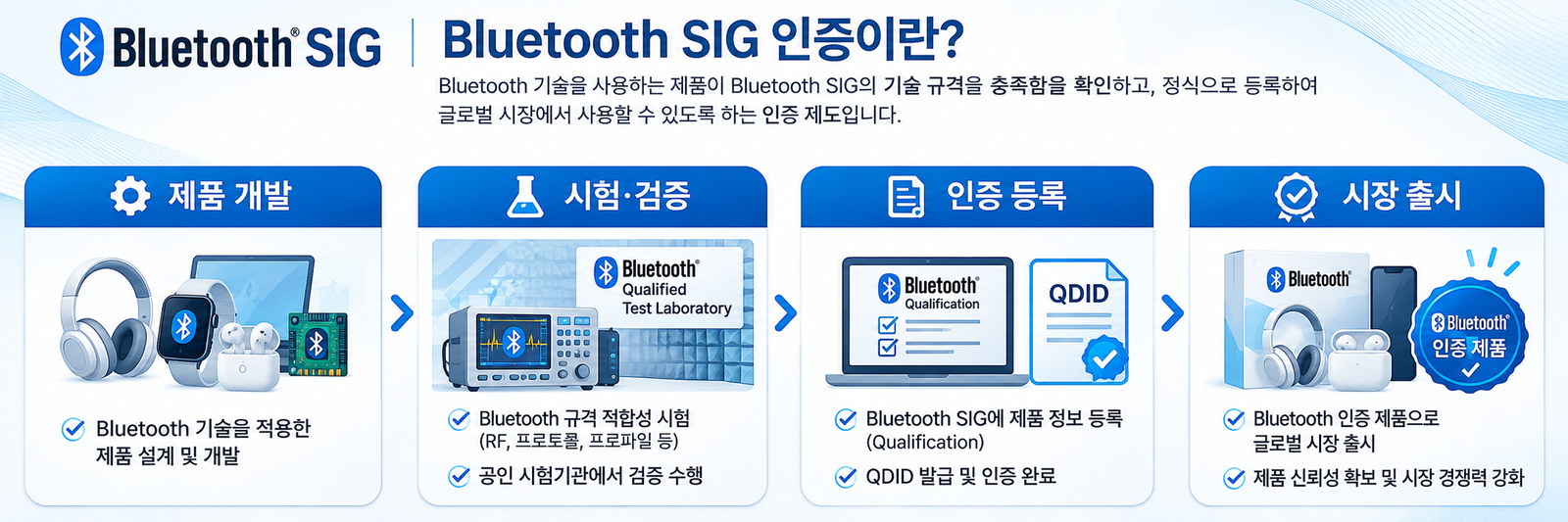
Step 1. Review Product Specifications
Identify the Bluetooth version, supported features, controller and host configuration, and applicable profiles.
Determine whether the product supports Bluetooth Classic, Bluetooth LE, or both.
Step 2. Review Existing Qualified Designs
Check whether the Bluetooth chipset or module is associated with an existing qualified design.
Using an eligible existing qualified design may reduce the additional testing required, depending on the product configuration and applicable qualification rules.
Step 3. Determine Testing Requirements
Depending on the design and qualification path, testing or compliance evidence may be required for areas such as:
- RF Physical Layer (RF PHY)
- Protocol conformance
- Bluetooth profiles
- Applicable interoperability-related requirements
The actual test scope depends on the supported Bluetooth features, design implementation, and qualification requirements.
Step 4. Complete Bluetooth SIG Qualification
Submit the required design and product information through the Bluetooth SIG qualification system.
Complete the applicable compliance declarations, documentation, and qualification procedures.
Relevant design and product identifiers, including QDID information where applicable, should be managed according to current Bluetooth SIG requirements.
Step 5. Prepare for Product Launch
Before commercial distribution, verify that the required qualification and product listing steps have been completed.
Manufacturers should also confirm applicable Bluetooth trademark requirements and country-specific regulatory approvals.
4. Bluetooth SIG vs. KC, FCC, CE and ISED
Bluetooth SIG Qualification and regulatory certification serve different purposes.
Bluetooth SIG Qualification addresses compliance with Bluetooth specifications and the Bluetooth technology qualification framework.
KC Certification addresses applicable Korean regulatory requirements.
FCC Authorization addresses applicable United States radio-frequency regulatory requirements.
CE Compliance addresses applicable European Union regulatory requirements, including the Radio Equipment Directive (RED) where relevant.
ISED Certification addresses applicable Canadian radio equipment requirements.
A product may therefore require Bluetooth SIG Qualification and one or more national or regional regulatory approvals before entering its target markets.
5. Documents and Information Needed
Manufacturers should prepare the following information before requesting a qualification assessment:
- Product name and model number
- Bluetooth version and supported features
- Bluetooth Classic and LE configuration
- Chipset or module manufacturer and model
- Existing qualified design information
- Supported Bluetooth profiles
- Product architecture and implementation details
- Available test reports and qualification records
Providing complete technical information helps determine the appropriate qualification path, test scope, estimated cost, and schedule.
6. Bluetooth SIG Testing and Qualification Support from DT&C
DT&C provides testing and certification support for a wide range of Bluetooth-enabled products.
Our services include reviewing Bluetooth product configurations, assessing applicable testing requirements, and supporting the preparation of Bluetooth SIG qualification activities.
For manufacturers targeting multiple international markets, DT&C can also assist with planning related regulatory testing and certification, including KC, FCC, CE, and ISED.
Early technical review can help identify potential qualification issues, reduce unnecessary testing, and improve certification planning.
Contact DT&C / KoreaApproval for Bluetooth SIG testing and qualification support.
Website: https://koreaapproval.com
---
*Note: Bluetooth SIG qualification policies, fees, testing requirements, and procedures may change. Manufacturers should verify the latest official Bluetooth SIG requirements before submitting a qualification application.*