FCC SAR Testing: Applicable Devices and Preparation
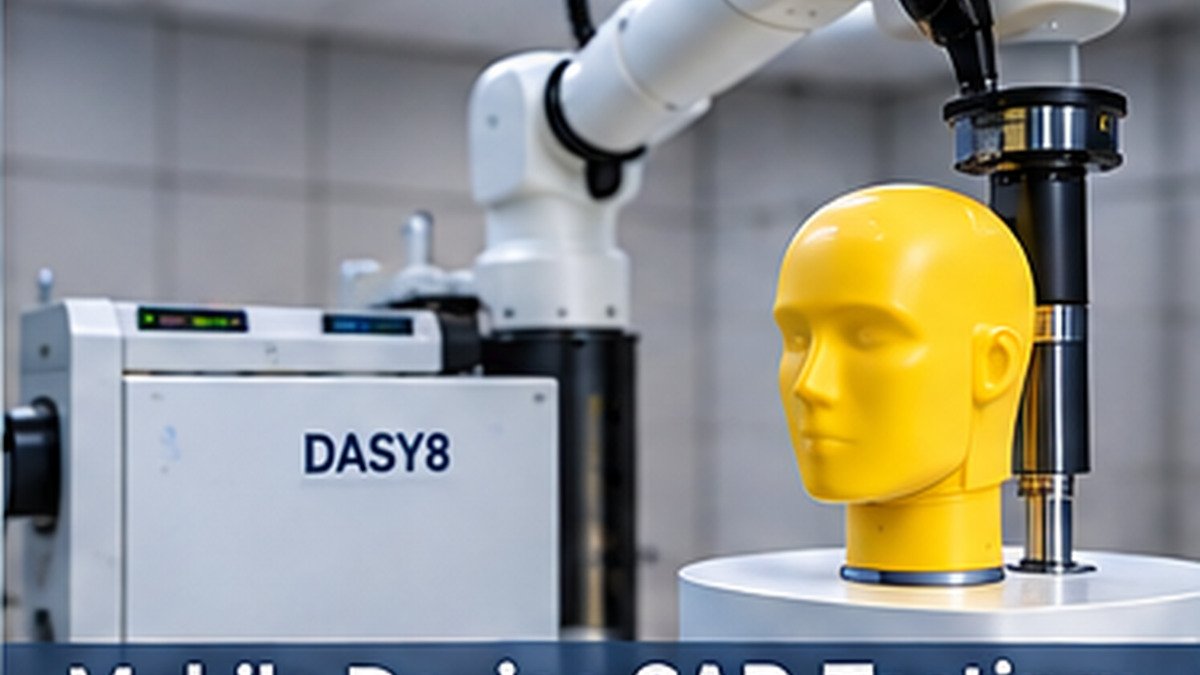
Specific Absorption Rate (SAR) is used to assess RF energy absorption in the body for relevant exposure conditions. Whether SAR testing is required depends on the device type, operating frequency, output power, separation distance, usage configuration and the applicable FCC RF exposure procedures.
What SAR evaluates
Specific Absorption Rate (SAR) is used to assess RF energy absorption in the body for relevant exposure conditions. Whether SAR testing is required depends on the device type, operating frequency, output power, separation distance, usage configuration and the applicable FCC RF exposure procedures.
Which products may need review
Smartphones, tablets, portable wireless terminals and certain body-worn devices are common candidates for SAR assessment. This does not mean every portable transmitter requires a full SAR test program; the applicable exclusion, exemption or evaluation provisions must first be checked.
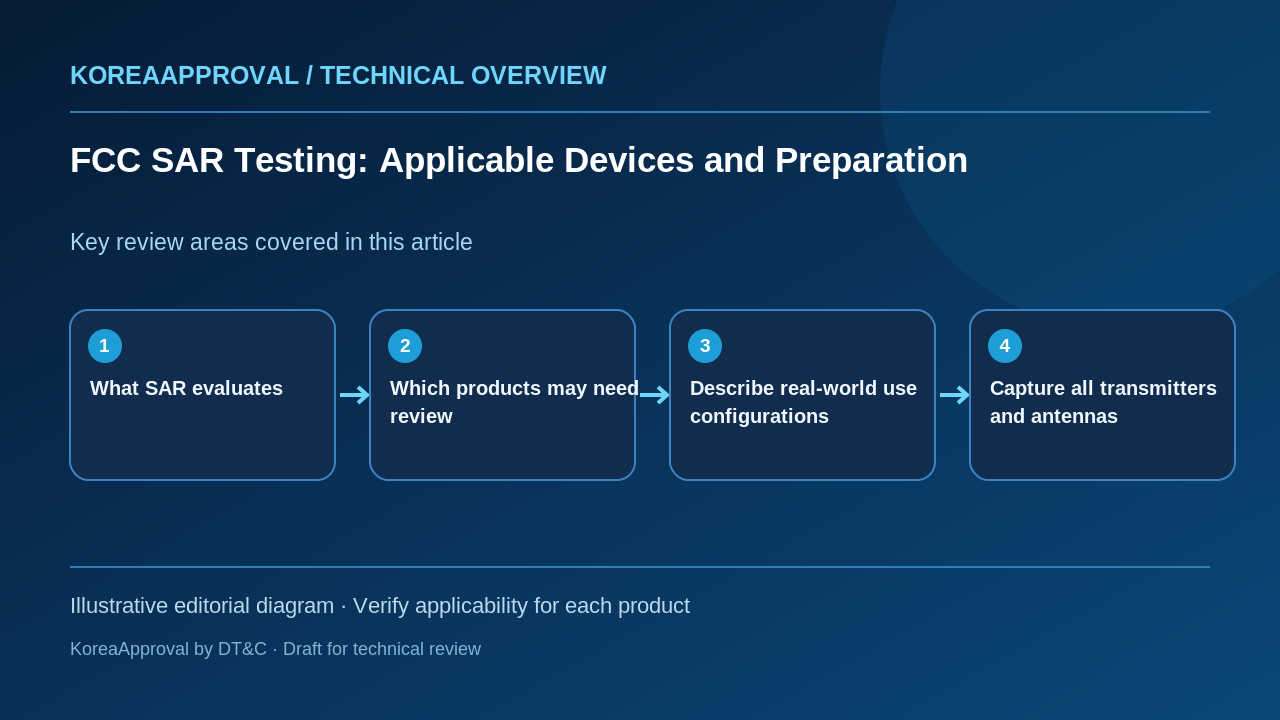
Describe real-world use configurations
Provide intended head, body-worn, hotspot, limb and other relevant use positions, together with separation distances supported by the product instructions. A mechanical change such as a rotating or sliding display can introduce additional exposure configurations.
Capture all transmitters and antennas
List cellular bands, Wi-Fi, Bluetooth and other transmitting radios, along with antenna locations, tune-up power tolerances and simultaneous-transmission capabilities. These inputs are important for determining the applicable assessment scope.
Prepare RF control and power data
The laboratory may need engineering test firmware, continuous-transmission controls, channel and power selection, and validated power-reduction behavior. If proximity sensors or other exposure-control features are used, describe the detection conditions and associated power-reduction tables.
Allow for configuration-specific testing
Different battery packs, accessories, antenna placements or mechanical configurations can affect the assessment. Test reduction decisions should be supported by applicable guidance and technical evidence, not assumed from a previous model.
Request an early SAR feasibility review
For an efficient quotation, provide antenna drawings, frequency bands, maximum power, use distances, sensor behavior and a sample configuration matrix. KoreaApproval can use these inputs to discuss the likely evaluation scope and sample preparation needs.
Contact KoreaApproval for a quotation
Editorial review required. This draft is not a legal determination. Verify applicable regulations, technical accuracy, image rights and final publication approval before release.